The USPS Early Warning System (EWS) for Address Quality
 Firstlogic Team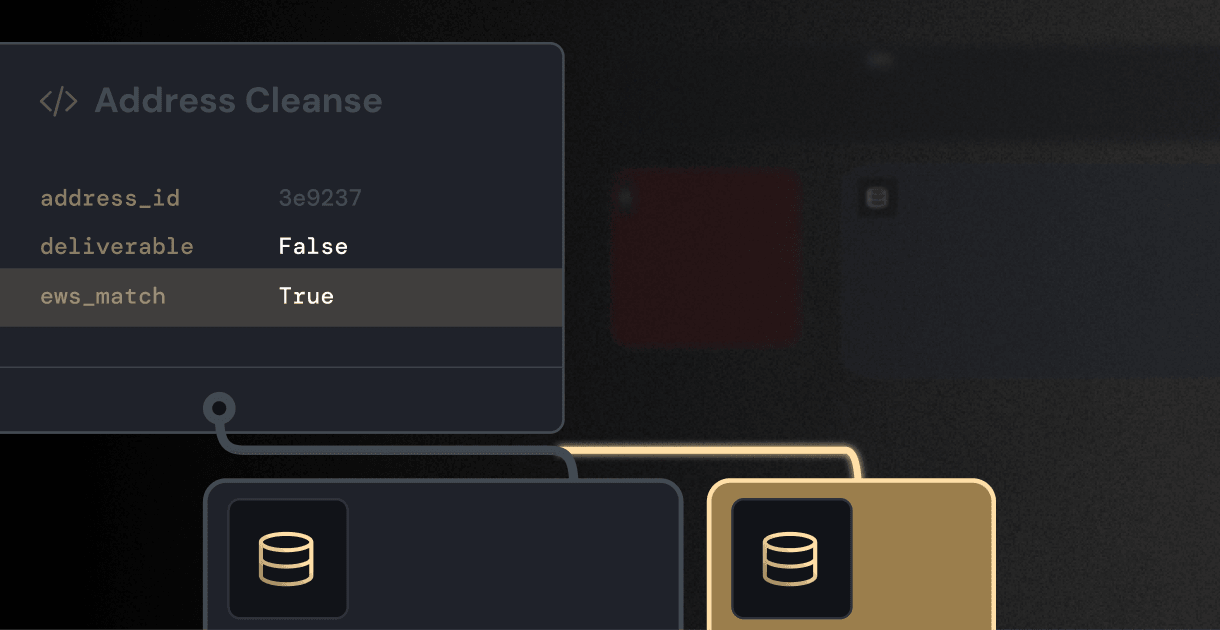
For organizations managing large-scale mailing lists, the difference between a deliverable address and a returned mail piece often lies in the timing of data updates. The United States Postal Service (USPS) Early Warning System (EWS) is a tool designed to close the data gap for new residential and commercial developments.
What is the Early Warning System (EWS)?
The Early Warning System (EWS) is a weekly data update provided by the USPS. Its primary purpose is to identify legitimate new addresses—such as new housing subdivisions, apartment complexes, or office parks—that have been assigned ZIP+4 codes but have not yet appeared in the monthly CASS (Coding Accuracy Support System) database.
Because the main USPS ZIP+4 database is updated only once a month, there is an unavoidable lag period. During this window, a brand-new house exists in the real world and can receive mail, but traditional validation software might flag it as “invalid” because the record doesn’t exist in the monthly file yet. EWS prevents this error.
How EWS Works
CASS-certified address validation software is required to check the EWS file during the validation process. The logic follows a strict order:
- Primary Check: The software attempts to match an input address against the current monthly ZIP+4 database.
- EWS Check: If no match is found, the software checks the weekly EWS file.
- Result:
- If the address is found in the EWS file, the software recognizes it as a valid, pending address.
- The software is prohibited from assigning a ZIP+4 code (or correcting it to a similar-looking old address) to ensure mail isn’t misrouted.
- Instead, it flags the record to alert the mailer that the address is valid and will be fully codeable in an upcoming monthly update.
Impact on Existing Addresses
While often associated with new construction, EWS also protects existing addresses undergoing official changes. This ensures continuity for:
- Street Renaming: When a municipality renames a street, the “new” address (with the new name) appears in the EWS file immediately, preventing software from “correcting” it back to the old name.
- Renumbering: If street numbers are reorganized, the new ranges are protected by EWS until the monthly database catches up.
Data Volume
The volume of the EWS file fluctuates based on construction seasonality and the monthly update cycle. With the USPS adding approximately 1.2 to 1.5 million new delivery points annually, the EWS file typically contains 25,000 to over 100,000 records at any given time, representing a rolling buffer of 1 to 4 weeks of new address data.
Firstlogic Address IQ SDK
For developers and data stewards using CASS-certified tools, handling EWS data is often abstracted into simple return codes. Firstlogic’s Address IQ SDK, a software developer kit used to integrate address validation, standardization, and enrichment into business applications, utilizes a specific field to indicate EWS status.
Field: EWS_MATCH
The EWS_MATCH field tells the application precisely how to handle the address record:
T(True): The input address matched a record in the EWS directory.
Action: Treat the address as valid (deliverable), but do not attempt to assign a ZIP+4 code yet.F(False): The input address was not found in the EWS directory.[Blank]: The EWS feature was not enabled during processing.
Frequently Asked Questions (FAQ)
No. The Early Warning System only validates the existence of the physical delivery point (the address). It does not contain or verify names.
This is by design. USPS rules prohibit assigning a ZIP+4 code to an EWS match because the full coding details (carrier route, delivery point barcode) are not yet finalized in the master database. Assigning a code based on partial matches could delay delivery.
The USPS releases EWS updates weekly. To maintain CASS certification and ensure the highest match rates, your address validation software should ingest these weekly updates.
No. Using EWS to generate marketing leads (often called “Address Fishing”) is generally prohibited by USPS CASS and DPV license agreements. The USPS includes fake “seed” addresses to detect such usage. Furthermore, it is impractical because the file lacks resident names and the data is ephemeral.
A Business Guide to NCOA